
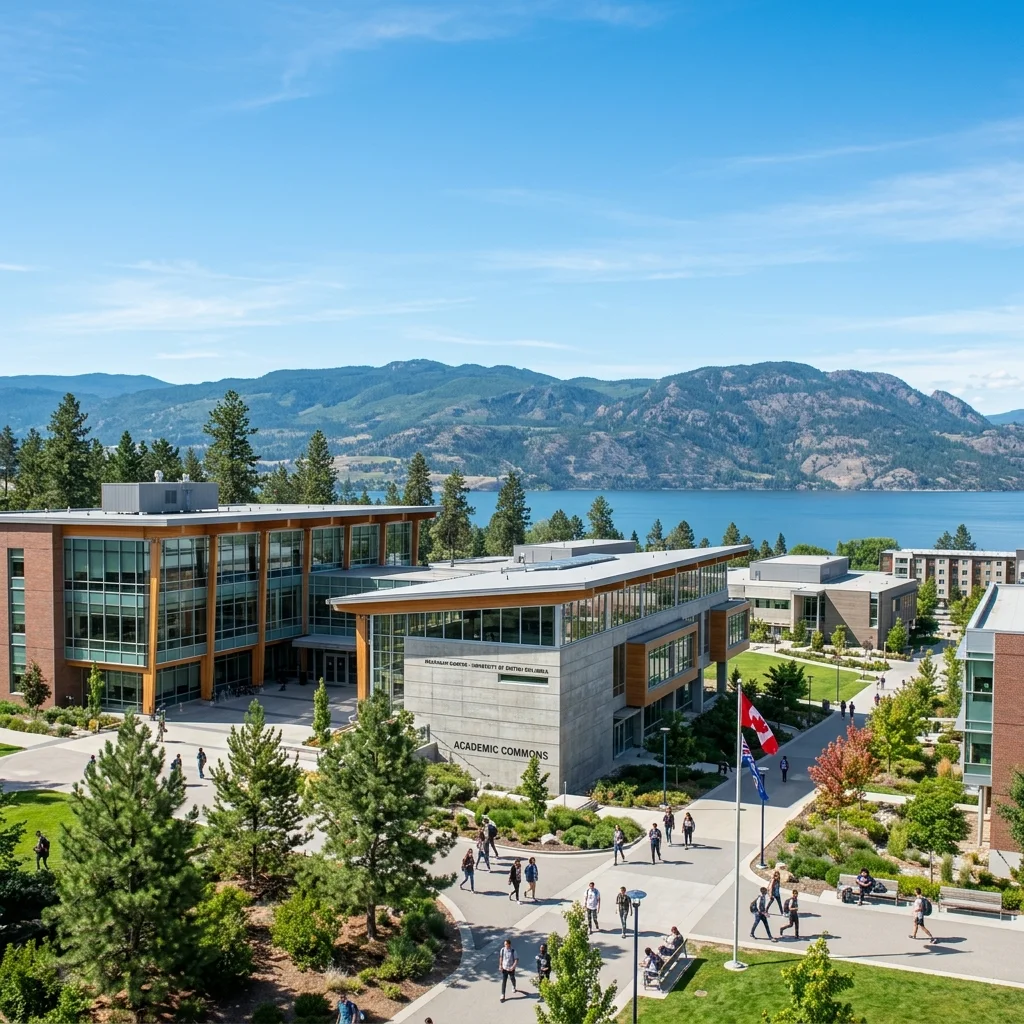
Understand the Canadian Education System
Renowned for its diversity, inclusivity, and commitment to excellence, Canada’s education system is an attractive destination for students worldwide.
Canada’s education system is renowned for its diversity, inclusivity, and commitment to excellence, making it an attractive destination for students worldwide.
1. Federal and Provincial Responsibilities
In Canada, education is primarily the responsibility of the provinces and territories. Each region manages its own education system, ensuring it meets the specific needs of its population while adhering to nationally recognized standards of quality.
2. Education Levels
The Canadian education system is structured into several levels, ensuring that students receive a strong foundation and can pursue specialized studies as they progress:
Primary (Elementary) Education
Typically starts at age 5 or 6, covering grades 1 through 6 or 8, depending on the province. This level focuses on fundamental skills such as literacy, numeracy, and social studies.
Secondary Education
This includes junior high/middle school (grades 7 or 9) and high school (grades 9 to 12 in most provinces). Students are prepared for higher education or to enter the workforce.
Post-Secondary Education
Comprises universities, colleges, and vocational institutions offering diplomas, degrees, and certificates in a wide range of fields. Canadian post-secondary institutions are known for their high standards and global recognition.
3. Public vs. Private Education
In Canada, the majority of students attend publicly funded schools. These schools are free of charge for Canadian citizens and permanent residents.
Public Institutions
Fully funded by the government and free for residents, maintaining high academic standards across the board.
Private Schools
Require tuition fees and often offer specialized curriculums or religious education alongside rigorous academics.
4. Bilingual Education
Canada is a bilingual country with English and French as its official languages. As a result, education is offered in both languages, depending on the province.
"Quebec is predominantly French-speaking, while the rest of the provinces provide education primarily in English, though French-language schools and programs are available throughout the country."
5. Higher Education Options
Emphasis on research, innovation, and undergraduate/graduate degree programs.
Practical, hands-on training for specific careers, often including co-op placements.
Technical and professional education in trades like engineering and IT.
6. Pathways to Higher Education
In Canada, students typically transition from secondary education to post-secondary institutions based on their interests and career goals. Admission requirements vary by institution, but academic performance in high school is a key factor for university or college entry.